







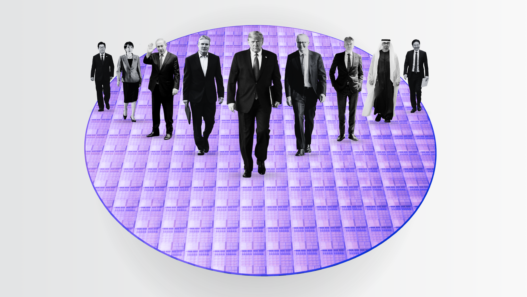
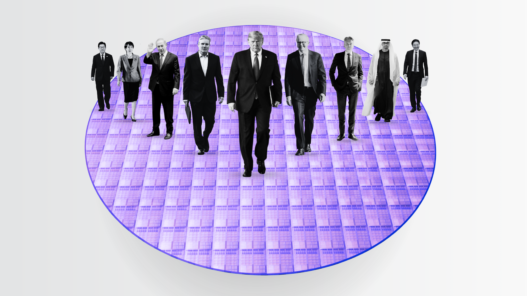
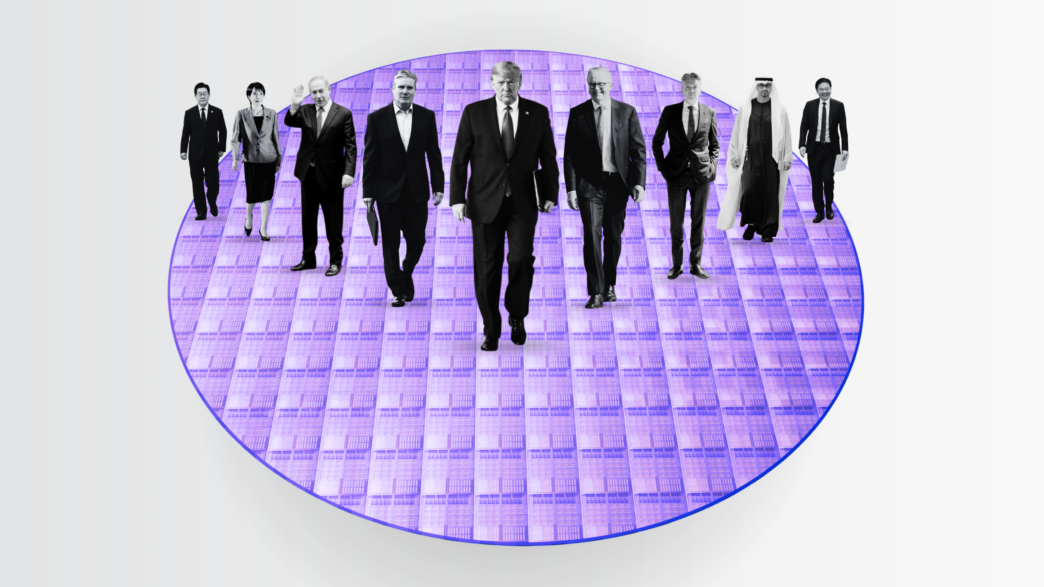
Pax Silica is a U.S.-led pact aimed to build a secure, resilient, and innovation-driven silicon and semiconductor supply chain. Launched in December 2025, it unites nations central to advanced technology ecosystems, like Japan, South Korea, Singapore, the Netherlands, the United Kingdom, Israel, the United Arab Emirates, Australia and the USA.
Its goal is to reduce dependencies, safeguard critical materials, advance manufacturing, AI infrastructure and accelerate transformative technologies.
Critical & Rare Earth Elements: Why They Matter? 
Critical and Rare Earth Elements (REEs) are vital for high-tech industries, clean energy, and national security. Examples include neodymium, dysprosium, and other elements used in magnets, batteries, sensors.
Though distinct, REEs and semiconductors are both critical minerals vital to economic and defense strategies. Control of these elements drives modern electronics, renewable energy, AI and advanced manufacturing.
Usage in Semiconductors & AI Industries
Silicon and critical minerals power chips for smartphones, servers, and AI models, thus forming the backbone of semiconductor chips. They enable AI-acceleration hardware, memory chips, photonics, and frontier technologies.
Pax Silica’s emphasis on silicon supply chain security supports next-generation AI and semiconductor manufacturing.
Competition to Secure REE Supply Chains
China’s dominance in REE production and processing creates strategic vulnerabilities globally. In response, nations are investing in exploration, joint ventures, and trade agreements to reduce dependency and secure resilient supply chains.
India’s Exclusion & Way Forward
India was not included among the initial signatories. While reaffirming India as a key strategic partner in broader supply chain security efforts, U.S. officials clarified that India’s exclusion was not due to diplomatic or trade tensions but because Pax Silica prioritized countries already central to semiconductor manufacturing.
India is advancing its sovereign semiconductor ecosystem, highlighted by the launch of its indigenous chip, Vikram 32, marking a major milestone in domestic chip capability.
Through the National Critical Minerals Mission along with expanded semiconductor incentives, and rare earth exploration, India seeks domestic resilience and transition from consumer to producer in the global technology chain.



India being deliberately left out of such groupings and yet managing to bring indigenous wonders, tells us more about who is the lone lion and who is the herd-mentality sheep.