









From Near-Extinction to Comeback
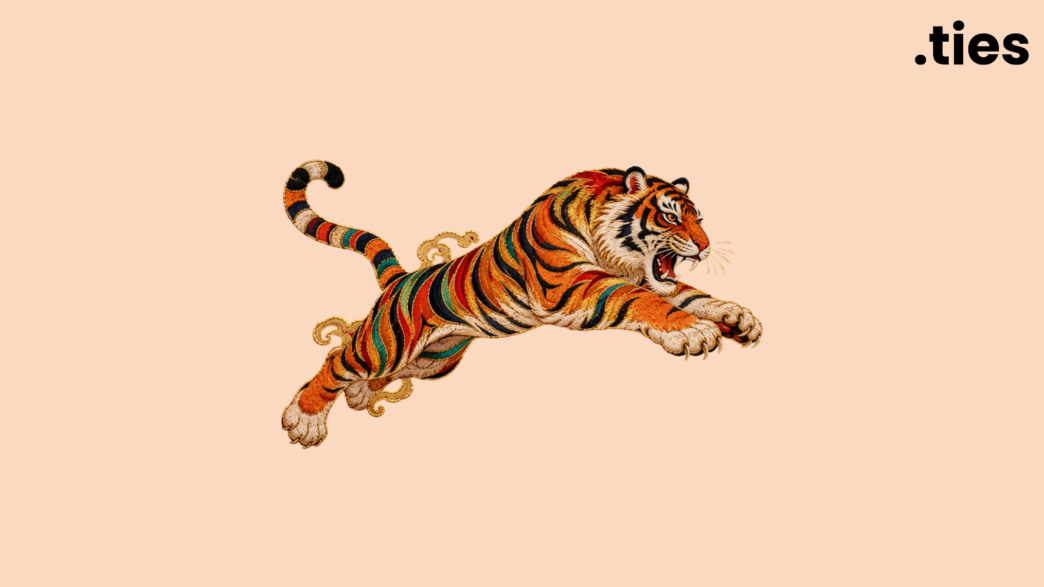
Here’s a strange fact about India. It’s one of the most crowded countries on Earth, yet it’s home to roughly three-quarters of the world’s wild tigers, over 30,000 elephants, and the only Asiatic lions anywhere. In the 1970s, nobody was betting on the tiger. Today there are nearly 3,700, more than double the number two decades ago. India has even agreed to send tigers to Cambodia, where they are now functionally extinct, though the first transfer is still pending. Assam, meanwhile, reported zero rhino poaching in a year, and cheetahs are being brought back from Africa.
Culture First, Laws Second
A lot of this is cultural. Many animals are revered by Hindus, harming any creature is frowned upon, and India’s animal-protection laws are among the tightest in Asia. Leaders have kept the tradition going: Emperor Ashoka issued edicts against hunting over two thousand years ago, and Indira Gandhi launched Project Tiger.
A System, Not a Fluke
Passion alone doesn’t save a species. India works best in “mission mode,” with one clear goal and a dedicated team, and Project Tiger became the template for Projects Elephant, Snow Leopard, Dolphin and Rhino. A forest bureaucracy runs the reserves, while NGOs and scientists add expertise and keep the state honest. Tigers are counted with camera traps, and villagers get fair compensation and a share of tourism income, so living next to a tiger isn’t a losing deal.
The Catch
Success has a cost. In just a few weeks, tigers mauled people in the west, leopards attacked in the north and elephants trampled in the east. These tragedies expose real failures of the state, but they also prove how well protection works.
What the World Can Learn
If a country with limited resources can protect rhinos, nobody gets to say clean air and clean rivers are out of reach. Conservation works when governments, communities and tradition pull in the same direction.