







The Hardest Test in Spaceflight
Sending a satellite up is hard. Sending a person up and bringing them back is a promise. That is what makes human-rating the toughest test in spaceflight. Every system needs a backup, every failure needs an escape route, and “it usually works” just won’t cut it.A single flaw in a capsule carrying astronauts can cost lives, so engineers test each part again and again on the ground before it ever flies. Every one of those tests exists so the crew never has to find out what a failure feels like.
G1: A Robot Goes First
Before any Indian astronaut straps in, there’s G1. The uncrewed flight is targeted for the fourth quarter of 2026 and will carry the half-humanoid Vyommitra, to test technologies that are flying for the first time under the programme. She can monitor module parameters, raise alerts and run life-support operations, so think of her as a very patient stand-in crew member. Her ride is the human-rated LVM3, a trusted rocket reworked for people.
Engineered for Failure
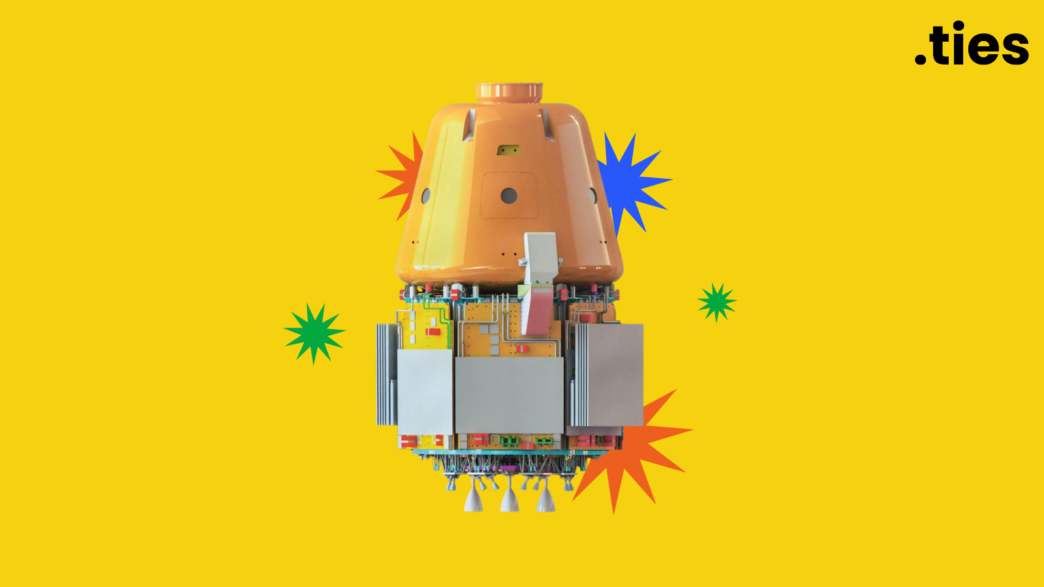
The programme plans for failure first, so that failure never reaches the crew. The Crew Escape System has already been proven in flight through TV-D1, and its five motor types have been static tested. Two air drop tests have validated the deceleration system. The capsule needs only two of its three main parachutes to land safely. Re-entry is the scariest stretch of any mission, and G1 is where India tests it for real.
India Joins an Elite Club
ISRO already has a reputation people trust. It has launched 433 satellites for 34 countries. If Gaganyaan succeeds, India joins the US, Russia and China as the only nations to launch humans on their own rockets. It isn’t going alone, though. ESA, Australia, France’s CNES and Roscosmos are helping with network support, recovery and training.
Beyond Gaganyaan: The Space Station Plan
Two more uncrewed flights follow G1, then the first crewed mission, targeted by 2027. That flight is the stepping stone to the Bharatiya Antariksh Station. Its first module is planned for 2028, with the full station by 2035. Gaganyaan is really the first chapter of a much longer story.