








Beyond Silicon
What happens when a data center stops running on silicon and switches to brain cells? In August 2026, researchers in Singapore answered this question. NUS Medicine, developer DayOne and biocomputing startup Cortical Labs unveiled the Biological Data Centre, a facility powered by 16 million living human neurons. The very first of its kind, it hints at what computing infrastructure can evolve into next.
Anatomy of a Living Computer
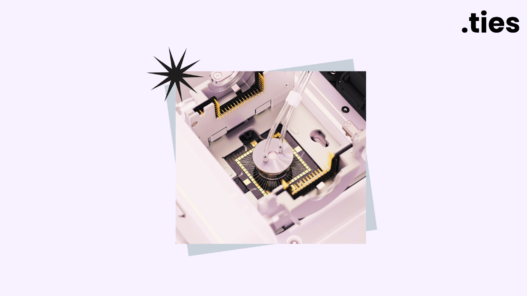
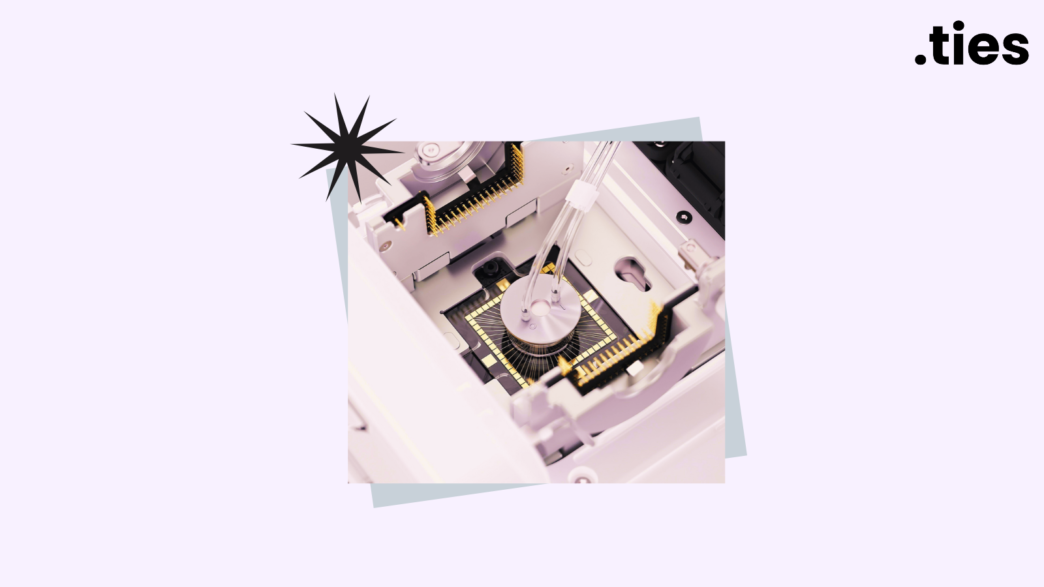
The term coined for this is ‘wetware’. It’s known that silicon is hardware and code is software. Whereas, wetware refers to biology being able to exercise both of these functions in a single entity. This rack holds 20 CL1 units, each built by Cortical Labs and billed as the world’s first commercial, code-deployable biological computer. Together, they hold approximately 8,00,000 living neurons per unit, growing across a silicon chip fitted with a microelectrode array. The array lets electrical signals pass between the neurons and Cortical Labs’ operating system called, biOS. The neurons fire, adapt and respond to input, similar to how they would inside a living brain. The response that gets generated is the computation.
Life, Power and Purpose
These neurons require proper care and not just power. NUS technicians feed the cultures every three days. The researchers state that they can stay viable for up to six months. Professor Rickie Patani, a neuroscientist at NUS Medicine, oversees their growth. The project has been built upon Cortical Lab’s earlier DishBrain research, which taught a smaller neuron culture to play Pong back in 2022. The goal of this project is to achieve maximum efficiency. Neurons are said to run on a fraction of the power that silicon chips need, which stands to be quite intriguing at a time when AI’s energy appetite is straining grids globally. Another outcome of this is an advanced study of the brain. Since these are real human neurons, the system offers a live model for understanding how the brain learns, adapts and misfires. This provides enormous insight into matters of drug discovery and neurological disease research.
The First of Many
None of this means biological computers will replace the servers running today’s internet. Not yet. But it does prove that living tissue can be grown, wired and put to work just like a processor. Singapore just switched on the first version of that future. Every biological computer that follows will trace back its roots to this very rack.