








What Was Frozen, and What Was Not
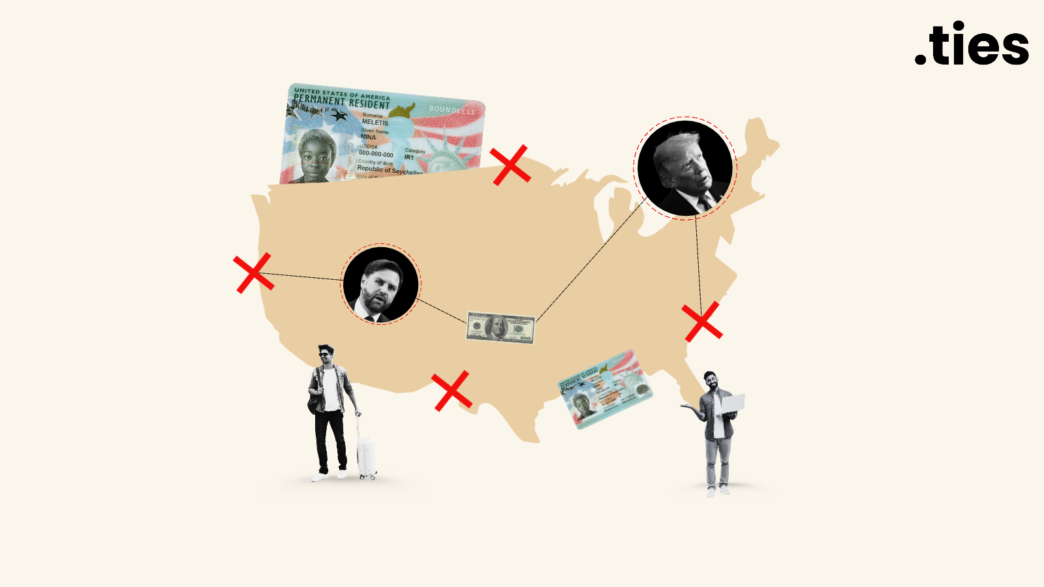
On October 8, at a White House press conference, the Trump administration suspended eight companies from PERM: Microsoft, Adobe, Infosys, TCS, Wipro, HCL, Cognizant and Capgemini.
So what is PERM?
It is the first step of the U.S. employment-based green card process, where an employer must prove to the Department of Labor that there are no qualified U.S. workers available for the position.
New applications will not be accepted from these eight companies, and the ones already filed will not be processed either. Existing green cards and H-1B visas are not cancelled, so current holders can keep working. However, for employees of these firms who were counting on sponsorship, the first rung of the ladder from temporary worker to permanent resident is lost. So why pull it away now?
The Words Behind the Freeze
At the October 8 press conference, Vance described foreign workers on H-1B visas as “foreign indentured servants”. India’s foreign ministry called the description “unwarranted” and its colonial echoes “deeply offensive”.
Protection or Political Theatre?
Vice President Vance and the labour department say companies misused visa rules to replace American workers. Protecting wages is fair. So is catching fraud. But a claim is not proof. So who ends up paying for this suspicious claim?
Where India Feels the Squeeze
This adds another wall mainly for Indian workers, many of whom already wait years in the green-card line. An H-1B visa lasts six years. Staying longer usually needs a green-card process under way, so a frozen filing can mean packing up. It is not a ban on Indians, and not everyone at these firms is hit equally. Although, careers and family plans now hang on a decision they had no say in. If the goal is protecting workers, is this really helping them?
The Contradiction at the Core
Washington claims these firms abused visa rules to favour foreign workers over American ones. Yet a worker on an H-1B is tied to the employer who sponsors them. A green card is what ends that dependence, because permanent residents can change jobs freely. Blocking that transition risks preserving the very imbalance that Washington says it opposes. So what would fixing this fairly look like?
Accountability Without Collateral Damage
Fair enforcement should punish wrongdoing, not the innocent caught up in it. Officials have cited ongoing investigations but have not publicly detailed their allegations or set a date for the suspension. Fairness demands public evidence, clear timelines and protection for applicants stuck in the middle. Otherwise a door was slammed shut on thousands just to send a message to eight companies. Action against employers who break the rules should not punish the employees who did nothing wrong.
Edited by Tashvi Chawla