






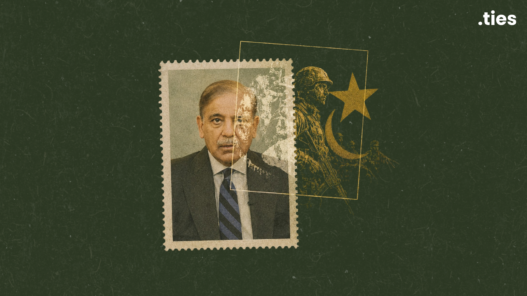
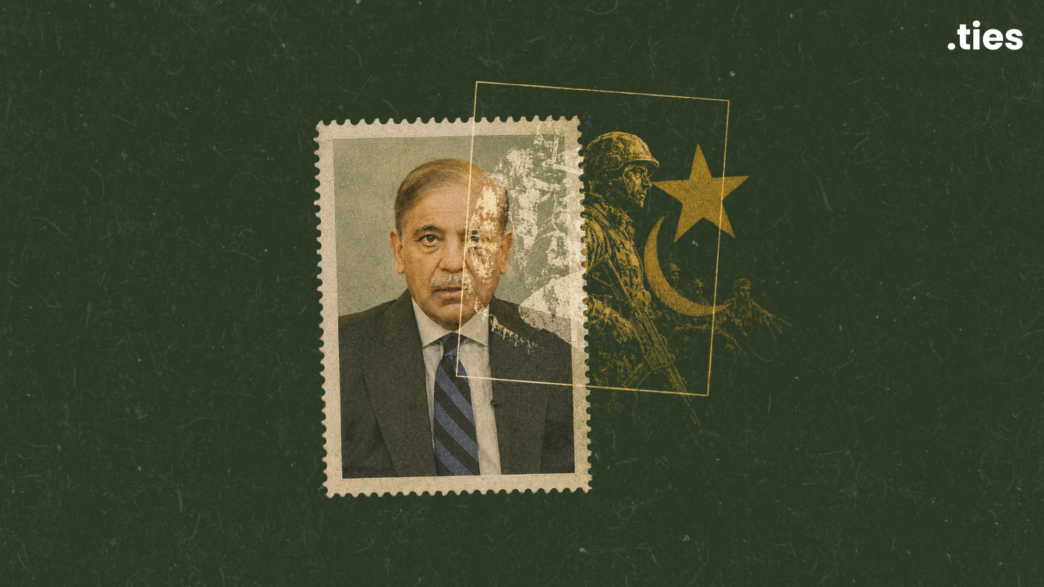
Is Shehbaz Sharif’s government on its way out? Signs from within Pakistan’s own establishment suggest the countdown may have already begun.
The trigger came on July 30, when Interior Minister Mohsin Naqvi bluntly told the Pakistan Economic Summit that Pakistan’s governance model had effectively “collapsed” after decades of failing to deliver, and called decentralisation essential. That’s no casual remark. Naqvi is a close relative of army chief Field Marshal Asim Munir, and is widely regarded as one of Munir’s closest allies within Pakistan’s military establishment.
When asked about it, the army’s spokesperson, DG ISPR Lt Gen Ahmed Sharif Chaudhry, notably stopped short of endorsing it outright, distancing the armed forces and calling it Naqvi’s “personal opinion,” even as he agreed good governance remains one of Pakistan’s most pressing challenges.
Shehbaz’s government has leaned on the military for survival since coming to power in 2024, but that backing hasn’t fixed anything on the ground, the economy remains stagnant and insurgencies keep raging in the country’s border regions. The political crisis is also accompanied by serious grievances in Balochistan, Khyber-Pakhtunkhwa and Pakistan-administered Jammu and Kashmir. Baloch activists and rights groups have repeatedly raised concerns over enforced disappearances, arbitrary detention & restrictions on peaceful dissent.
These grievances, alongside continuing insecurity in KP, have further weakened public trust in the state.There’s now growing talk that the establishment wants sweeping constitutional and provincial changes, though even the military’s own spokesman insists any such change must go through “the people, their elected representatives, and ‘the democratic process.”
This isn’t the first time Islamabad has backed down under public pressure. The 27th Constitutional Amendment further strengthened Asim Munir’s position by making him Chief of Defence Forces alongside the Army Chief, centralising military command. It also expanded constitutional protections for senior military ranks and shifted some judicial powers, further increasing the military’s institutional influence over Pakistan’s political system.
In 2025, Pakistan’s federal government backtracked on a controversial Cholistan canal project after nearly two weeks of mass protests across Sindh, showing that grassroots resistance, not political parties, may be the most effective check left on the establishment’s plans. With PML-N and PPP too weak to meaningfully resist Naqvi’s “reset,” it’s precisely this kind of street pressure that could shape whatever comes next for Shehbaz Sharif.