






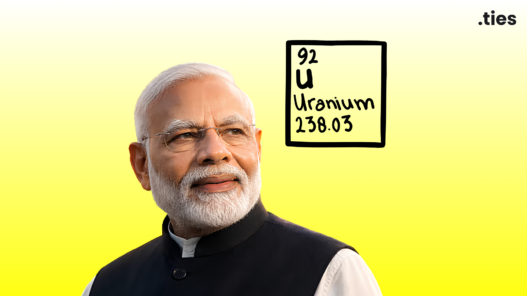
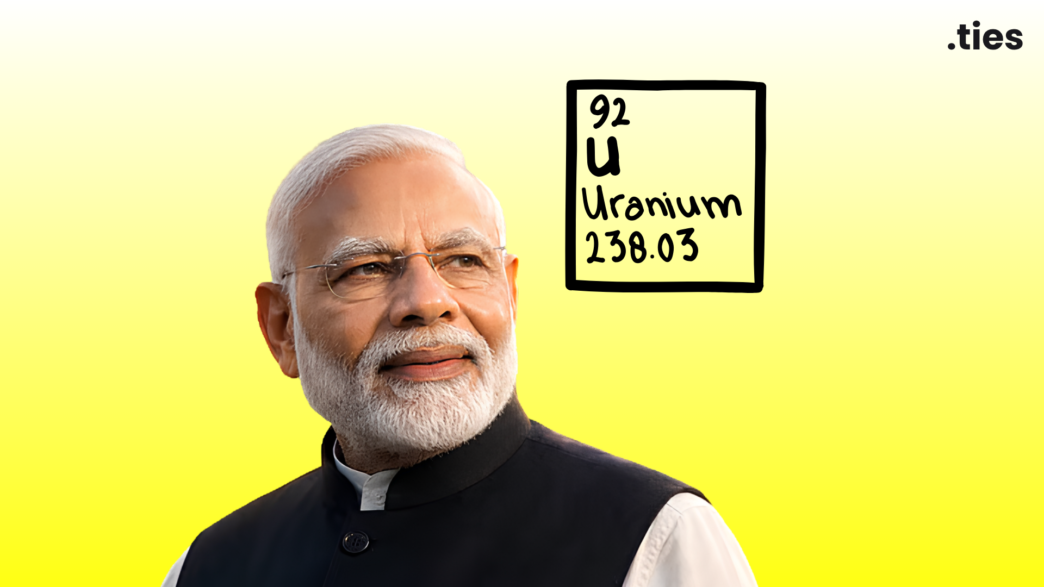
India and Uzbekistan have agreed to advance their relationship to a Comprehensive Strategic Partnership and to work toward a long-term uranium supply arrangement, Prime Minister Narendra Modi said during his 2 day visit to Tashkent aimed at expanding cooperation in areas such as trade, clean energy and connectivity.
A Billion Dollar Handshake
The visit concluded with 11 agreements and an upgrade of bilateral ties to a Comprehensive Strategic Partnership, marking 15 years since the original partnership was signed. Currently the two countries have a bilateral trade of about $1.3 billion and have set a $5 billion trade target for 2030 and issues regarding market access, connectivity, banking and payment systems will be streamlined.
The timing is deliberate rather than lucky, the 2019 contract for 1,100 tonnes of natural uranium concentrate runs its course this year, and New Delhi has moved early to convert a finite purchase into a durable partnership.
The Law That Cleared the Path
The SHANTI Act (Sustainable Harnessing and Advancement of Nuclear Energy for Trans-forming India) Passed in December 2025 retiring the Atomic Energy Act of 1962 and the Civil Liability for Nuclear Damage Act of 2010.
In their place introducing a graded liability regime that allows private and foreign participation in building and operating plants, resolving the supplier deadlock which stalled investment for over a decade, while keeping the sensitive fuel cycle in state hands.
The 2008 waiver arrived without a liability framework, the 2010 Act supplied one that suppliers could not underwrite, and SHANTI supplies one they can, that too on India’s own terms.
What Changes at the Negotiating Table
This changes India’s negotiating posture and gives American and French suppliers, along with a new generation of small modular reactor developers, a bankable legal environment to enter. And it strengthens New Delhi’s hand with fuel-exporting partners like Uzbekistan, Kazakhstan, Russia, Canada, and Australia. And it makes India a more credible and creditworthy buyer for its fuel-exporting partners.